Here's news that will cheer many Canadians but alarm others;
miners rate Canada at the top of the heap worldwide for having
positive mining policies
According to the Fraser Institute's annual survey of mining
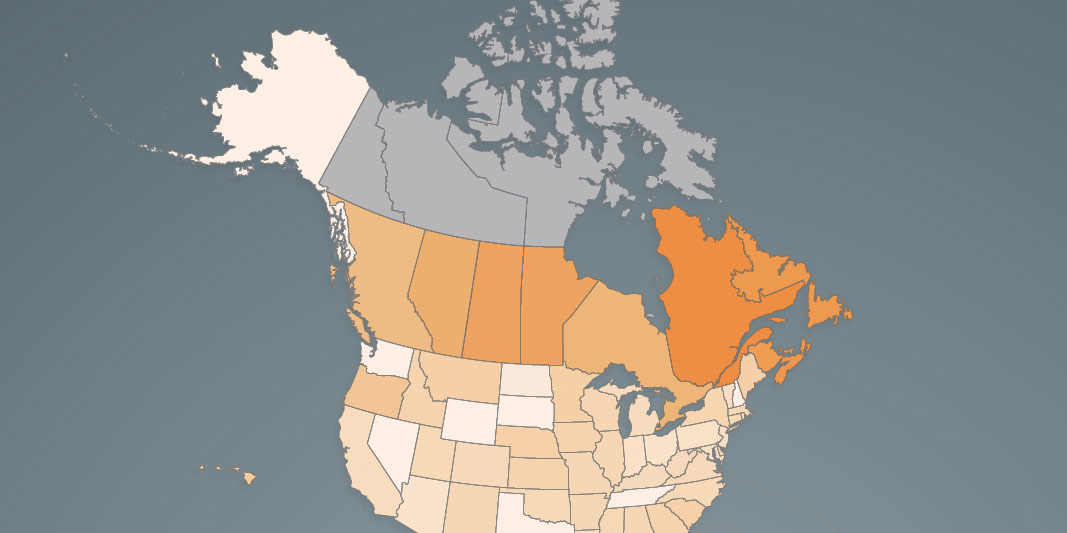
companies, miners rank Quebec first out of the 72 jurisdictions
examined for policies that encourage a strong mining sector
while Canadian provinces fill six of the top 10 spots.
Still, dark clouds loom on the horizon for the industry.
Both Ontario and British Columbia have tumbled significantly in
the survey. Ontario is ranked 22nd overall, down from its 10th
place finish last year, while British Columbia is even further
back at 38th, dropping 14 places from the 24th spot in
2009.
Anti-mining activists will be alarmed that Canada remains a
friendly place for mining despite their best efforts. Many
people living in small communities and aboriginals who depend
on mining to provide jobs and a better future will cheer.
Resource wealth helped build the economies of some of the
world's most prosperous nations, including Canada, New Zealand,
Australia, and the United States. It still remains a vital
route to prosperity for parts of these nations and for
developing nations in general.
Chile, the fastest growing nation in Latin America, ranked
seventh in the survey and has one of the world's best records
in reducing poverty and creating prosperity. The highest ranked
African nation in the survey, Botswana, is in the midst of a
similar economic miracle, and has dramatically outpaced other
African nations in growth and poverty reduction.
In fact, research from the Fraser Institute and many other
sources show that developing nations and their people gain
substantially from resource extraction. The handful of
exceptions are nations with very weak institutions. Less than
10 per cent of nations fall into this category.
Yet mining is under attack globally. Even in Quebec, miners
feel vulnerable. With little if any consultation with the
industry, the recent Quebec budget unexpectedly increased taxes
on miners and changed deduction rules in a way that will
adversely affect the industry.
Miners do not mind paying taxes and following sensible
regulations, but they are alarmed when they face
uncertainty-and here they had no idea what was coming. They
have already sunk millions of dollars into projects using cost
calculations based on the old tax rates and rules.
Uncertainty unhinges miners. Miners spend years throwing
money into the ground before they start making money. Changing
the rules or the costs of game midway through it can destroy
the viability of projects in which miners may already have
invested millions of dollars.
British Columbia provides an object lesson for Quebec. Its
policy environment was hostile to mining in the 1990s. Since
then, the BC government has spent many years trying to deal
with the bad taste left from that era. Yet today miners still
rank British Columbia poorly in the survey. The sense of
uncertainty from that earlier period still haunts the mining
industry.
Ontario's recent throne speech indicated Dalton McGuinty's
government seeks increased mining and development in Northern
Ontario. Yet miners are more and more worried about Ontario.
Three things motivate this concern: increasing numbers of
native demonstrations and lack of certainty in land claims;
large parcels of land, particularly in the north, placed under
mining moratoriums; and a surprise royalty tax levied on
diamonds two years ago, although the tax has since been reduced
following protests from rural and mining-friendly aboriginal
communities.
Opposition to uncertainty in regulations should unite
dedicated but sincere environmentalists and gung-ho miners.
Uncertainty opens the regulatory process to political
manipulation. Bad projects with powerful sponsors may be
approved while good projects, that would produce prosperity and
jobs, get tied up in endless paper work.
Tax uncertainty can also kill good projects. A project may
be viable under current taxes but if miners face an uncertainty
about the tax code, they may simply sit on the project rather
than risk sudden and unexpected new taxes, as happened in
Quebec and Ontario.
Mining played a key role in the growth of prosperity in
Canada. It remains important in many parts of the country and
Canadian miners are global leaders. Despite this and Canada's
current good record, our governments continue to erect barriers
to mining that could reduce prosperity and eliminate jobs in
the future, ultimately making all Canadians worse off.